Planning a trip around specific activities changes the very nature of the stay. Instead of accumulating visits from a generic list, choosing a few structured experiences allows for a connection between a place and a practice, a landscape and a physical effort, or a heritage and a local story. Travel activities are divided into major categories (nature, culture, gastronomy, sport) whose access conditions evolve each year.
Mandatory reservations and seasonal restrictions on natural sites
Free and spontaneous access to certain flagship activities is increasingly a thing of the past. The Calanques National Park already implements a reservation system during high season for the Sugiton cove. The Tour of Mont Blanc is subject to a regulation project that requires mandatory reservations for registered accommodations and prohibits wild camping.
This evolution responds to an estimated increase in attendance of nearly 50% since the post-Covid period, according to Ouest-France. Hiking in natural environments, kayaking in protected coves, or camping at altitude can no longer be improvised in the same way.
Before including a nature activity in your itinerary, always check the current access conditions for the targeted season. A time slot reserved in advance guarantees a less crowded experience, benefiting both the site and the visitor. Exploring activities on agence-voyage-tourisme.com helps identify options already filtered by availability and region.
Digital tools to choose the right activity time slot
Technology is no longer just used to book a plane ticket or compare hotels. It now allows for real-time management of visitor flows. The Marquenterre Park, in the Bay of Somme, forecasts attendance hour by hour up to fifteen days in advance.
This type of data changes the way a day is planned. Instead of arriving at the opening of a popular site hoping to avoid the crowd, a traveler can shift their visit by a few hours or choose a less busy weekday. The benefits are twofold: less waiting and a higher quality of observation, especially for activities related to wildlife or landscapes.
Data to check before booking an activity
- The attendance calendar of the site or activity, often published on the official website of the park or local tourist office
- Seasonal restrictions (trail closures, swimming bans, daily quotas) that vary from year to year
- The local weather forecast for ten days, which affects the feasibility of hiking, kayaking, or diving
Public platforms like DATAtourisme, the national database of French tourist data, centralize some of this information. Cross-referencing this data with regional sites remains the most reliable method.
Nature activities and hiking: prioritize depth over the number of sites
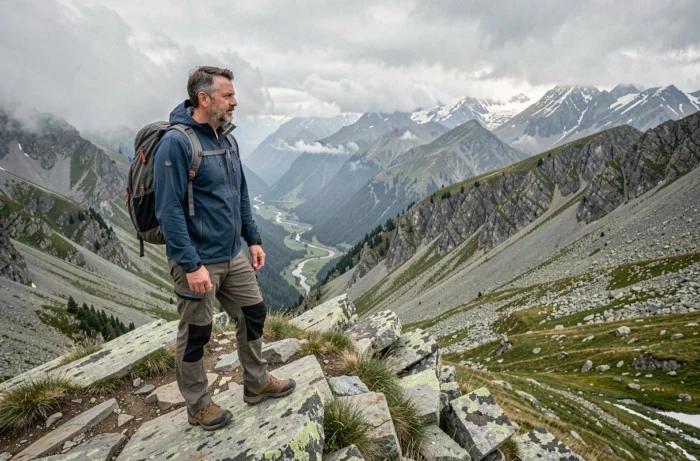
Ticking off ten sites in five days leads to fatigue, not memories. Three well-chosen activities are worth more than an overloaded schedule. A multi-hour hike in a mountain range, followed by a meal in a refuge, leaves a more lasting impression than a succession of viewpoints photographed from a parking lot.
Mountain, coastal, and forest landscapes each offer specific activities. Hiking remains the most widespread practice in natural environments, but it varies in levels of commitment: a two-hour marked trail, a multi-day trek with gear, or a via ferrata on a cliff.
Adapting the choice of activity to the place and season
A Mediterranean beach in July does not offer the same possibilities as in October. Summer heatwaves prompt some parks to adjust opening hours or advise against physical exertion during the hottest hours. French tourism experienced a summer in 2026 marked by heat, which redistributed flows towards mid-mountain regions and the Atlantic coasts.
Choosing an activity based on the season is not just about comfort but about safety. A canyon outing during a flash flood, a hike exposed to 38 °C, or diving in a current area without local supervision are real risks.

Cultural activities and heritage: going beyond the classic visit
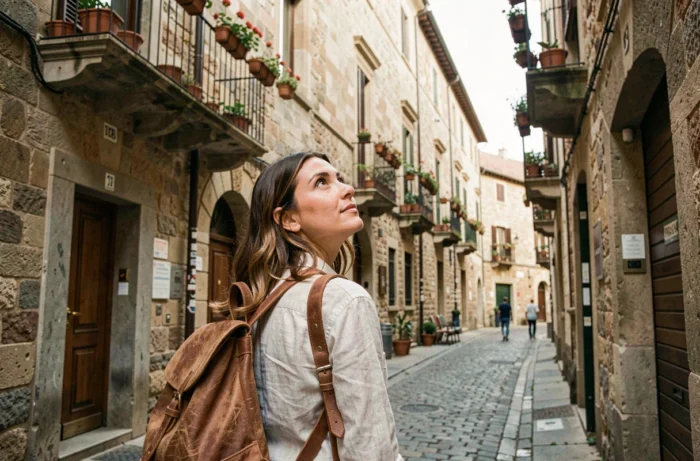
Museums, castles, and historical sites form the foundation of cultural tourism. The traditional guided tour remains relevant, but other formats are gaining ground: local craft workshops, thematic city tours, discovering a vineyard with geological explanations of the terroir.
The most memorable cultural activity is one that involves a gesture. Participating in a grape harvest, shaping pottery in a regional workshop, or cooking a local dish with a producer creates a connection with the destination that simple contemplation does not.
- Tourist offices often offer participatory experiences categorized by theme (gastronomy, crafts, living history)
- Less frequented destinations provide more direct access to artisans and producers, without queues or complex reservations
- Visits to industrial or agricultural heritage sites offer a concrete alternative to overcrowded classic monuments
Traveling outside peak times
Departures are more evenly spread throughout the year than they were ten years ago. This gradual de-seasonalization benefits those who can travel in May, September, or autumn. Outdoor activities remain feasible, prices drop, and sites regain a human scale.
A trip built around two or three strong activities, verified in advance for access conditions and scheduled during a period of lower attendance, produces a radically different experience from the standard tour. The choice of timing is as important as the choice of destination.