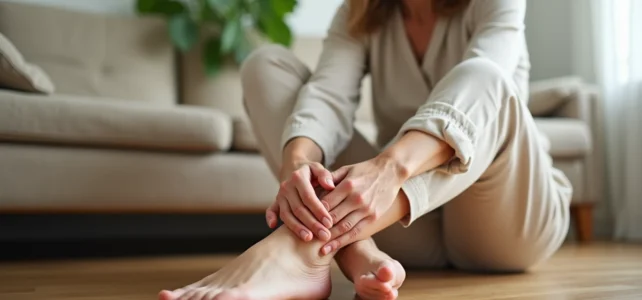
After a day spent standing or sitting without moving, the feet swell, tingle, and become cold. We all know that moment when we take off our shoes in the evening and the feeling of heaviness rises up to the calves. The problem doesn’t always stem from a lack of overall movement, but from an underutilized venous pump in the foot, combined with habits that worsen blood stasis without us realizing it.
Before multiplying gestures, it’s beneficial to understand what truly hinders venous return at the foot level, and especially what exacerbates it. This is the difference between a protocol that genuinely relieves and a cosmetic routine without lasting effect.
Plantar pump and venous return: the mechanism we neglect
The foot contains a dense venous network, particularly under the arch. With each step, the pressure on the ground compresses this network and propels blood upward. This is known as the plantar venous pump.
When we remain still (at a desk, in a car, on a couch), this pump no longer activates. Blood stagnates in the veins of the foot, the venous valves work in vain, and the sensation of heavy legs sets in. A detailed article allows for a better understanding of how to stimulate foot circulation safely by precisely targeting areas of plantar pressure.
Massage alone is not enough if we do not reactivate this pressure mechanism. This is why the most effective methods combine active movement and local stimulation, rather than relying on a single passive gesture.
Plantar ball and targeted pressure: the most underestimated ground method
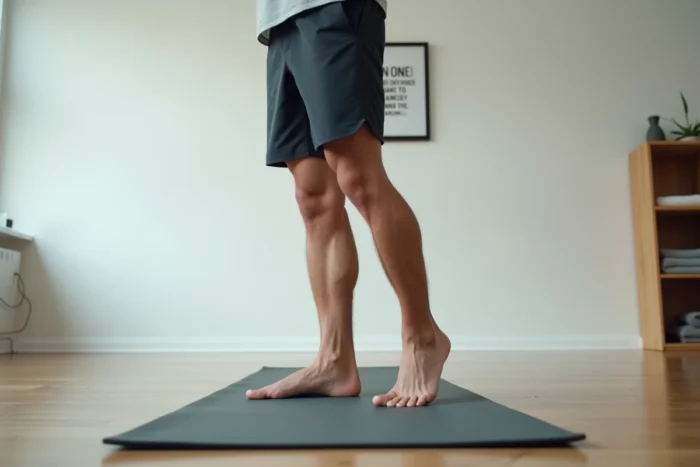
We often talk about walking more. It’s a good start, but when we work seated all day, walking represents only a fraction of our waking time. The plantar massage ball (tennis ball, spiky ball, lacrosse ball) offers a concrete lever that can be used under the desk or in front of the TV.
The principle: place the foot on the ball, apply moderate weight, then slowly roll from the forefoot to the heel. This movement replicates the venous compression of walking, activates local circulation, and relaxes the plantar fascia.
Precautions to avoid injury
- Never apply pressure to the point of experiencing sharp pain, especially if you have diagnosed plantar fasciitis or a heel spur
- Avoid overly hard balls (like golf balls) at first; excessive pressure can create micro-injuries on the plantar arch
- Limit sessions to a few minutes per foot, two to three times a day, to allow the tissues to recover
Feedback varies on this point: some people feel immediate relief, while others need several days of regular practice before noticing a difference in heaviness sensations.
Cold foot bath and hot-cold alternation: what really works
A foot bath is a classic, but temperature matters more than duration. Cold water causes vasoconstriction which, upon removing the foot, triggers a reflex blood influx. It is this rebound effect that kickstarts circulation, not prolonged soaking in warm water.
Hot-cold alternation (contrast hydrotherapy) takes this mechanism further. Alternate a few minutes of hot water with one minute of cool water, always finishing with cold. This alternation exercises the venous walls like vascular gymnastics.
What to avoid with foot baths
Prolonged hot baths are counterproductive for venous circulation. Heat dilates the veins, slows venous return, and can worsen feelings of heavy legs, especially during hot weather. Adding Epsom salt or sea salt has no proven effect on blood circulation, even if the bath remains pleasant for muscle relaxation.
Elevation and adapted sports: two complementary levers for the legs
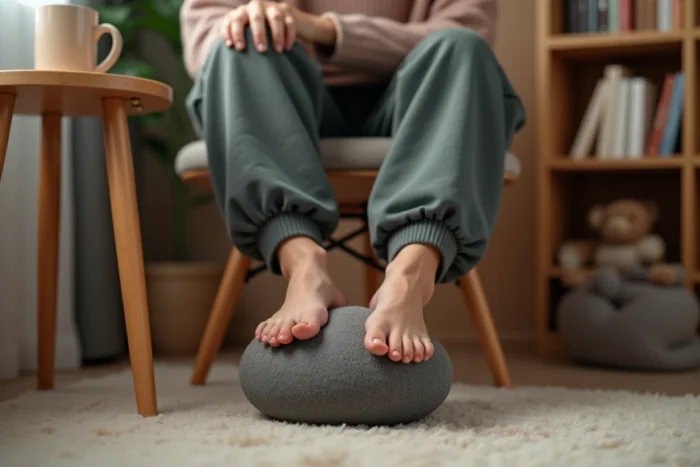
Elevating the feet above heart level for a few minutes uses gravity to facilitate venous return. It’s a simple gesture but often poorly executed: placing the feet on a low pouf is not enough. The legs must be genuinely inclined, lying on the back with feet against a wall or on a thick cushion.
In terms of sports, any physical activity that engages the calves activates venous return. Fast walking, cycling, and swimming are particularly suitable. High-impact sports (running on pavement, repeated jumps) can, however, exacerbate foot pain in individuals with already fragile venous return.
- Fast walking: activates both the calf pump and the plantar pump simultaneously
- Cycling (even stationary): engages the calves without impacting the foot joints
- Swimming: the hydrostatic pressure of the water promotes venous drainage of the lower limbs
- Seated ankle flexes: useful at the office, they simulate the walking mechanics while seated
Exacerbating factors to eliminate before adding gestures
We can accumulate massages and baths without results if certain exacerbating factors remain in place. Eliminating what hinders circulation is just as important as stimulating what promotes it.
Prolonged sitting or standing without movement is the primary factor of venous stasis in the feet. Getting up and walking a few steps every half hour has a measurable effect on venous return, much more than a one-time massage at the end of the day.
Tight clothing around the ankles or calves (tight elastic socks, fitted boots) compresses the superficial veins and slows blood flow. In contrast, medical compression stockings, designed with a gradient of decreasing pressure, facilitate venous return instead of blocking it.
When symptoms persist despite these adjustments (constant tingling, bluish discoloration, nighttime pain), the situation may indicate a specific circulatory disorder. A medical opinion can then help distinguish simple postural discomfort from venous insufficiency requiring appropriate management.