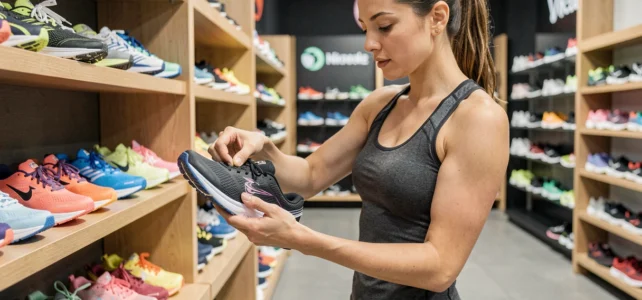
Choosing sports equipment is not just about comparing prices or following a trend. The type of practice, the terrain, local climatic conditions, and recent developments in eco-design significantly change the criteria for selecting sports gear. This article measures the gap between a choice driven by marketing and one based on verifiable technical parameters.
Technical Criteria and Marketing Criteria: What a Sports Equipment Comparison Reveals
Most buying guides categorize equipment by sport and then list generic characteristics (comfort, lightness, design). This approach masks the real differentiating factors. A table structured by criteria allows us to visualize what truly impacts the lifespan and effectiveness of equipment.
| Criterion | Influence on Performance | Influence on Durability | Often Highlighted by Marketing |
|---|---|---|---|
| Materials (textile composition, sole, structure) | High | High | Sometimes |
| Morphological Fit (shoe size, support, size) | Very High | Medium | Rarely in detail |
| Usage Climate Conditions (rain, UV, wind) | Medium to High | High | Rarely |
| PPE Certification / European Standards | Variable by sport | Indirect | Very Rarely |
| Design / Color | None | None | Very Often |
| Eco-design (recycled components, water-based adhesives) | Neutral to Positive | Positive | On the rise |
The discrepancy is clear: the most visible criteria on the shelf are the least determining in use. Morphological fit, for example, directly affects the risk of injury, but product sheets rarely address it beyond a standardized size guide.
To browse all sports equipment on Free Sport by filtering by technical criteria rather than just category, this comparative approach makes complete sense before a purchase.
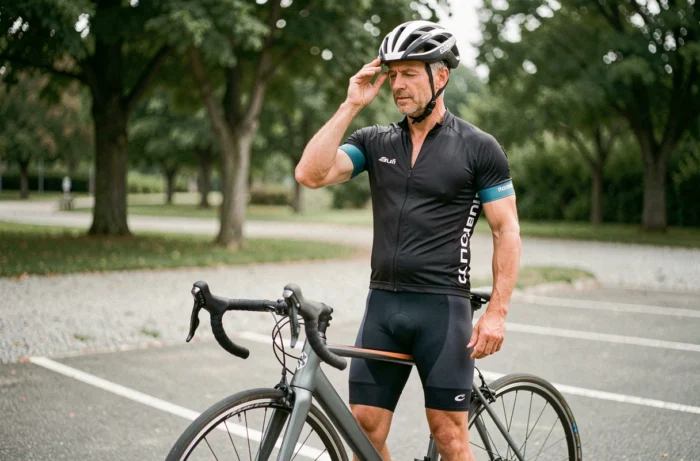
Outdoor Equipment and Geographical Context: An Underestimated Parameter
For several years, outdoor sports practice has significantly increased in France. This shift towards outdoor activities does not translate into a uniform need for equipment. The geographical context radically alters the specifications of equipment.
A high-performance windbreaker in Brittany has different requirements than enhanced sun protection in the overseas territories. Generic sports items, designed for average use, show their limits as soon as the local climate deviates from the temperate norm.
Selection Criteria by Territory
- Rainy and windy areas (Atlantic coast, English Channel): prioritize water resistance, sealed seams, and breathable fabrics that can wick moisture without sacrificing protection
- High sun exposure areas (South, overseas): UV protection of the fabric, active ventilation, and lightweight equipment take precedence over thermal insulation
- Mountain areas: thermal versatility (layering system) and abrasion resistance become the primary selection filters
This link between the type of outdoor practice, territory, and equipment durability is absent from most online buying guides, which offer the same recommendations regardless of the practice location.
Eco-design of Sports Equipment: A Choice Criterion That Has Become Technical
Eco-design is no longer just a marketing argument. Manufacturers are increasing their production of equipment using water-based adhesives and recycled components. In Europe, regulations and environmental awareness are reinforcing this trend, particularly in the ski and outdoor sports markets.
For the consumer, this changes the framework of understanding. An eco-designed piece of equipment is not necessarily less effective, but its purchase cost may be higher. The question then becomes one of cost per use: a recycled textile that is more resistant to abrasion pays off over several seasons, whereas an entry-level piece of equipment will need to be replaced sooner.
What Eco-design Changes in Practice
Water-based glues reduce volatile organic compounds in the manufacturing process. For the end user, the direct benefit is less chemical emission upon unpacking and, in some cases, better recyclability at the end of life. This is not trivial for sports shoes, where glued assemblies represent a significant part of the structure.
Environmental traceability is also improving. Some manufacturers now document the origin of raw materials and the carbon footprint of transport. This level of transparency allows for the comparison of two pairs of shoes or two technical jackets based on a criterion that price alone does not reflect.

European Standards and Protective Equipment: What the PPE Regulation Covers
The Regulation (EU) 2016/425 on personal protective equipment forms the legal basis for protective equipment in Europe. It also applies to amateur athletes as long as the equipment has a protective function (helmets, swimming goggles, shin guards, impact vests).
This regulation classifies PPE into three categories based on the level of risk. For amateur sports, most equipment falls under categories I (minimal risks) and II (intermediate risks). The presence of the CE marking on protective equipment is not a marketing bonus: it is a legal requirement that attests to compliance with safety standards.
Checking this marking before purchasing a bike helmet, roller protection, or swimming goggles remains the simplest and most reliable technical gesture. Conversely, the absence of a CE marking on equipment sold as “protective” is a clear warning signal.
The choice of sports equipment should be treated as a technical decision rather than an aesthetic one. Field data (climate, morphology, frequency of use) and verifiable indicators (standards, composition, traceability) provide more reliable benchmarks than a comparison focused on design or pricing.