The spring-summer 2026 fashion shows have delivered their verdicts. The European regulation on the ecodesign of sustainable products (ESPR), which came into effect in July 2024, places textiles among the priority categories for sustainability, reparability, and recyclability requirements from 2025 to 2030.
This regulatory framework profoundly changes the pieces that brands design and, by extension, those that arrive in stores. Understanding this context allows for more coherent clothing choices that align with the direction the market is taking.
Textile Regulation and Sustainable Style: What Changes in Practice
The European rules are reshaping the available offerings in stores. The ESPR regulation requires brands to rethink their collections by integrating criteria for durability and recycled content. The eco-modulations of contributions to recycling streams financially penalize fragile or non-repairable garments.
As of July 19, 2026, large companies are no longer allowed to destroy their unsold textiles in the European Union. This ban, which will extend to SMEs by 2030, pushes brands to produce less, better, and to favor pieces that sell over time rather than micro-trends with rapid turnover.
To build a unique style this season, it means prioritizing clothing designed to last several years, easily customizable through embroidery, dyeing, or alterations. Trendy pieces with a short lifespan will gradually lose their commercial appeal, naturally steering collections towards solid basics and quality materials. Several references to follow these developments are available on the Omniz net website, which gathers selections tailored to these new criteria.
Leather, Red, and Short Cuts: Decoding the Spring-Summer 2026 Trends
The fashion shows highlighted three strong directions. Leather, first, which returns in softer forms and varied shades, far from classic black. Red, next, ranging from deep burgundy to bright vermilion, emerges as the dominant color of the season.
Short cuts (mini skirts, cropped jackets, structured shorts) complete this trio. However, adopting these fashion trends without a filter produces exactly the opposite effect of a unique style. Wearing a trend as it is makes you look like everyone else. The challenge is to select one of these directions and integrate it into an existing wardrobe, rather than overhauling the entire wardrobe.
Choosing a Strong Piece Rather Than a Complete Look
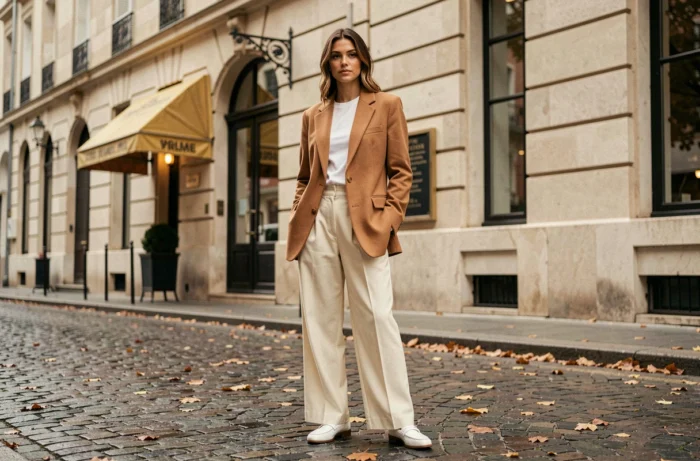
A soft leather jacket worn over a flowy dress creates a more personal contrast than a total leather look copied from a runway. A touch of red, through an accessory or a top, is enough to anchor the season without falling into uniformity.
The pieces that work best in terms of longevity and style are those that combine a seasonal trend with durable construction:
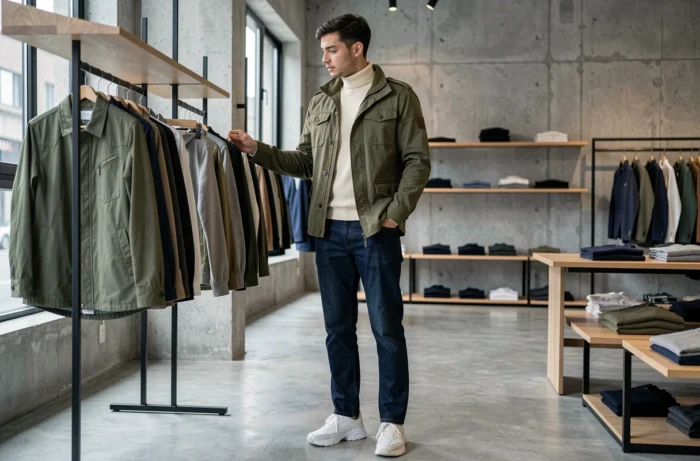
- A quality leather jacket, lined and repairable, that will last several seasons while capturing the current trend
- A structured-cut pant in a neutral color, capable of absorbing any strong color on top
- A linen or thick cotton dress, dyeable or modifiable by a tailor, that evolves with the seasons
Customization and Vintage Pieces: The Most Underestimated Lever
Social media has accelerated a phenomenon documented by several market analyses: stylistic conformity increases as trends circulate faster. The same pieces, worn in the same way, appear on thousands of accounts within days. The result is a paradox where following fashion leads to a loss of uniqueness.
Customization offers an escape. Embroidery on a basic jacket, dyeing a white garment in a color bath, replacing standard buttons with vintage pieces, altering a cut for a perfect fit: these interventions transform a generic garment into a unique piece. The ESPR regulation actually encourages this approach by valuing reparability.
The Return of Vintage as Raw Material
Vintage no longer means just buying an old piece and wearing it as is. The current generation uses second-hand clothing as a working base. An oversized blazer from the 1990s tailored at the shoulders, a vintage faded and re-embroidered jean, an old silk shirt transformed into a top: second-hand clothing becomes a support for personal creation.
This approach simultaneously meets regulatory requirements (reuse, extending lifespan) and the desire for a distinct style. Field reports vary on the actual cost of these transformations, with some simple alterations remaining accessible while structural modifications require a significant tailoring budget.
Colors and Materials: Balancing Seasonal Trends and a Timeless Wardrobe
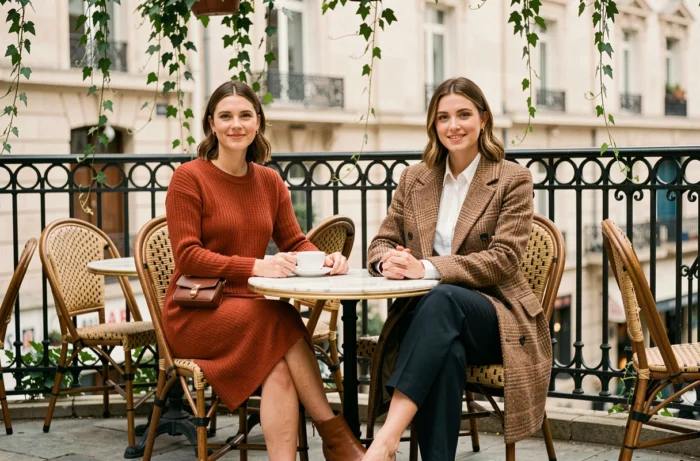
Red dominates the runways, butter yellow is gaining strength, and total white remains a safe bet for sunny days. Adopting all these colors at once dilutes clothing identity. A more effective choice is to select a limited palette and stick to it.
- Choose a strong color of the season (red, butter yellow) and limit it to two or three pieces maximum
- Maintain a base of neutral colors (beige, navy, off-white) that can accommodate any seasonal accent
- Favor natural materials with a sufficiently dense weight (thick linen, twill cotton, lightweight wool) to ensure longevity
Dense natural materials gain character over time with washes, enhancing their uniqueness. A linen garment worn twenty times does not have the same look as a new linen piece, and it is precisely this controlled aging that distinguishes a personal garment from a disposable one.
Selecting few pieces, choosing them for their solid construction and potential for customization, and then wearing them long enough for them to develop character: this is what anchors a style over time. The European regulatory framework pushes in this direction, and collections are gradually following suit.